
Key Takeaways
- Regular social connection can support emotional well-being, mental engagement, and a stronger sense of purpose.
- Assisted living creates everyday opportunities to connect through meals, activities, events, and shared spaces.
- Social interaction doesn’t have to mean joining large groups or attending every activity on the calendar.
- Familiar routines and shared interests can make conversation feel easier and more natural.
- Families can learn a lot about a community by reviewing its calendar, visiting shared spaces, and observing daily interactions.
The Social Side of Senior Living
A parent’s social routine can change gradually. Friends may move away, driving may become less practical, or getting to familiar activities may take more effort than it once did. Over time, those changes can leave fewer opportunities for regular conversation and connection.
Assisted living can make those opportunities easier to reach by bringing neighbors, shared meals, activities, events, and common spaces into everyday life. Residents don’t have to attend everything or become highly social overnight. Instead, they have more chances to connect in ways that fit their interests and comfort level.
Why Social Connection Matters as You Age
Social connection affects more than how someone fills free time. Regular interaction can become part of a healthy daily routine, giving older adults more opportunities to stay involved with the people and activities around them.
Boosted Emotional Well-Being
Conversation, companionship, and familiar faces can bring more variety to the day. Even simple interactions, like chatting before lunch or greeting a neighbor in the hallway, can create a stronger sense of belonging.
Better Mental Engagement
Talking with others requires listening, recalling details, responding, and staying present in the conversation. Games, group discussions, and shared hobbies offer other ways to stay mentally active without turning the experience into a formal exercise.
A Stronger Sense of Purpose
Regular plans can give the week more structure. A favorite activity, shared meal, or recurring community event gives residents something specific to anticipate and another reason to stay involved. That’s why many senior living communities work so hard to create consistent programming that helps each resident socialize around their favorite hobbies and activities.
Everyday Ways Assisted Living Brings People Together
Social life in assisted living often grows out of ordinary routines rather than formal programming alone. Meals, shared spaces, activities, and regular invitations all create opportunities for residents to spend time with others in ways that feel natural.
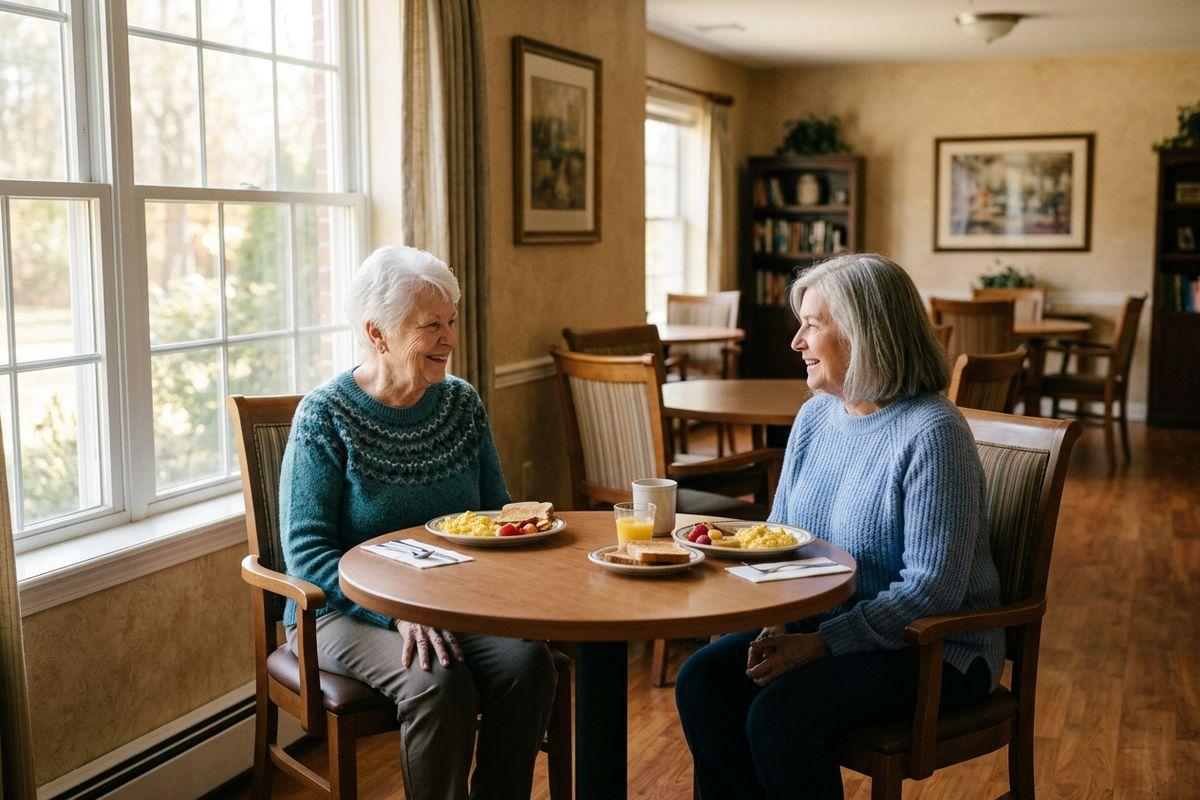
Shared Meals
Dining gives residents a regular chance to see familiar people throughout the day. Conversation often develops naturally around the table, especially as neighbors begin recognizing one another and settling into familiar routines. Over time, those repeated interactions can make mealtimes an easy part of staying socially connected.
Clubs and Activities
Shared interests can make conversation easier to start. Art projects, card games, gardening, discussion groups, and daily activities give residents different ways to take part based on what they already enjoy. A varied schedule also leaves room for people who prefer smaller groups or quieter activities.
Community Events
Live entertainment, seasonal celebrations, themed programs, and other community events add variety to the regular schedule. These gatherings give residents another chance to spend time together outside their usual routines. And because participation remains optional, residents can choose the events that interest them most.
Common Spaces
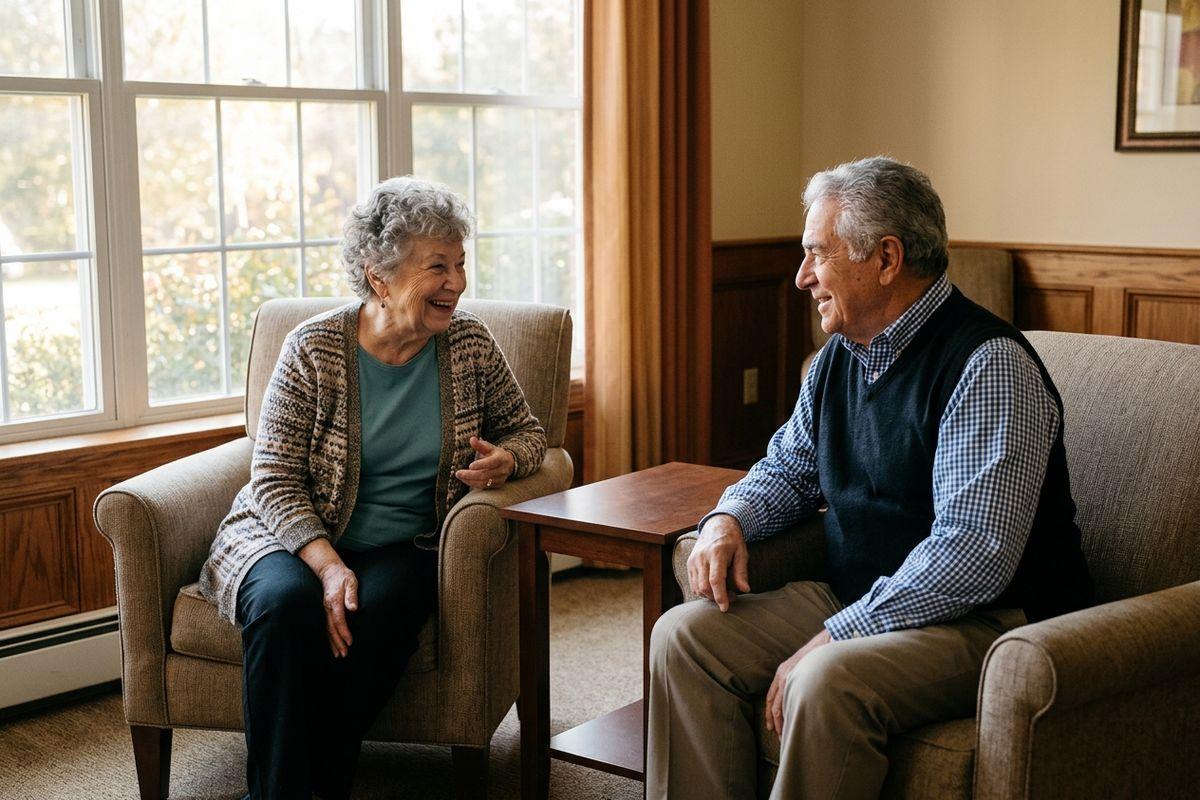
Lounges, courtyards, and activity rooms make room for casual interaction between scheduled programs. A conversation might start while someone is reading nearby, working on a puzzle, or spending time outside. These shared spaces are especially useful for residents who prefer socializing without joining a structured group.
Personal Invitations
Team members can learn what residents like and suggest programs that match those interests. Someone who enjoys music, cards, gardening, or crafts may be more inclined to participate when the invitation feels specific rather than generic. That encouragement should stay low-pressure, with residents deciding how involved they want to be.
How to Find the Right Assisted Living Community
An activity calendar can tell you what’s scheduled, but it doesn’t show the full picture of daily life. Families should also pay attention to how residents use shared spaces, how team members interact with them, and whether social opportunities feel natural.
When comparing communities, look at factors such as:
- Activity variety. Are there options for different interests, abilities, and energy levels?
- Dining atmosphere. Do mealtimes seem comfortable, welcoming, and social?
- Services and amenities. Does the community offer a range of convenient options?
- Resident choice. Can people decide how much or how little they want to participate?
- Community atmosphere. Do residents and team members interact comfortably?
- Events and outings. Are there regular opportunities beyond the everyday schedule?
- Team involvement. Do team members know residents well enough to recommend activities that match their interests?
- Programming consistency. Are activities available throughout the week rather than mainly around holidays or special occasions?
A tour gives families a chance to look beyond a brochure. Review the calendar, spend time in common areas, ask how new residents are introduced to programs, and notice how people interact during an ordinary part of the day.
Take the Next Step With All American Assisted Living at Coram
Social connection in assisted living comes from more than organized activities. Shared meals, familiar neighbors, common spaces, events, and everyday conversations can all become part of a resident’s regular routine.
At All American Assisted Living at Coram, residents have opportunities to stay involved while choosing how they want to spend their time. Our team can help families learn more about the community, daily programming, and the support available through assisted living. Schedule a tour with our team today to learn more about assisted living and daily life in our community.