

Key Takeaways
- Sensory activities use sight, sound, touch, smell, and taste to create connection when words become harder
- Familiar scents, songs, and textures can bring calmer moods, deeper engagement, and warm feelings
- Simple options include photo albums, hand massages, gardening, baking, and music
- Choose times of day when your loved one feels most alert, and follow their personal interests
- Memory care communities build sensory moments into daily programming and gently encourage participation
Why the Senses Matter in Memory Care
You’ve probably noticed it already. A song from your mother’s wedding day plays, and her face softens. The smell of cinnamon rolls fills the kitchen, and suddenly your parent is telling you about Sunday mornings from decades ago.
These deeply ingrained moments arrive without effort, and they feel like a gift.
Sensory activities tap into sight, sound, touch, smell, and taste to help a person living with dementia feel engaged, comforted, and connected, even when conversation gets harder.
At All American Assisted Living at Coram, we weave these moments into everyday life. These engaging moments work in the early stages and keep mattering in the middle and later stages, too.
How Sensory Activities Support Your Loved One
When you sit down with your loved one and share something they can see, hear, or hold, you’re offering more than a way to pass an afternoon. Sensory time often brings calmer moods and less restlessness.
These sensory activities also give you a shared moment that doesn’t depend on remembering names or dates.
Emotional Comfort
A familiar scent can spark warm feelings before anyone says a word. Think of lavender lotion, fresh-baked bread, or the perfume your loved one wore for years. Music does the same thing, and a favorite song can bring a smile that lingers long after the last note.
Soft textures offer their own kind of reassurance. A fleece blanket, a knitted shawl, or a smooth wooden object can be soothing to hold during a restless stretch of the day.
Social Connection
Shared experiences take the pressure off talking. You can sit together and listen to an album, sort through photographs, or fold warm towels straight from the dryer without anyone needing to fill the silence.
Group settings help too. Singing along with others or planting flowers side by side encourages friendly interaction in a natural, easygoing way.
Sensory Activities to Try for Each Sense
Sight
Bright colors and familiar images give the eyes something pleasant to settle on. Consider a few of these options:
- Nature scenes on a screen or in a large picture book
- Photo albums from family weddings, holidays, or old neighborhoods
- Colorful flowers, fabrics, or seasonal decorations
- Bird feeders placed outside a favorite window
Sound
For sound, reach for the music your loved one grew up with. Sing-alongs, gentle nature recordings, and familiar voices reading stories aloud can all bring comfort. Your own voice reading a chapter or a letter counts, and it often means the most.
Touch
Hands like to stay busy. Fidget blankets with buttons, zippers, and ribbons give fingers something satisfying to explore. A sensory box filled with different fabrics, smooth stones, and soft brushes works well too.
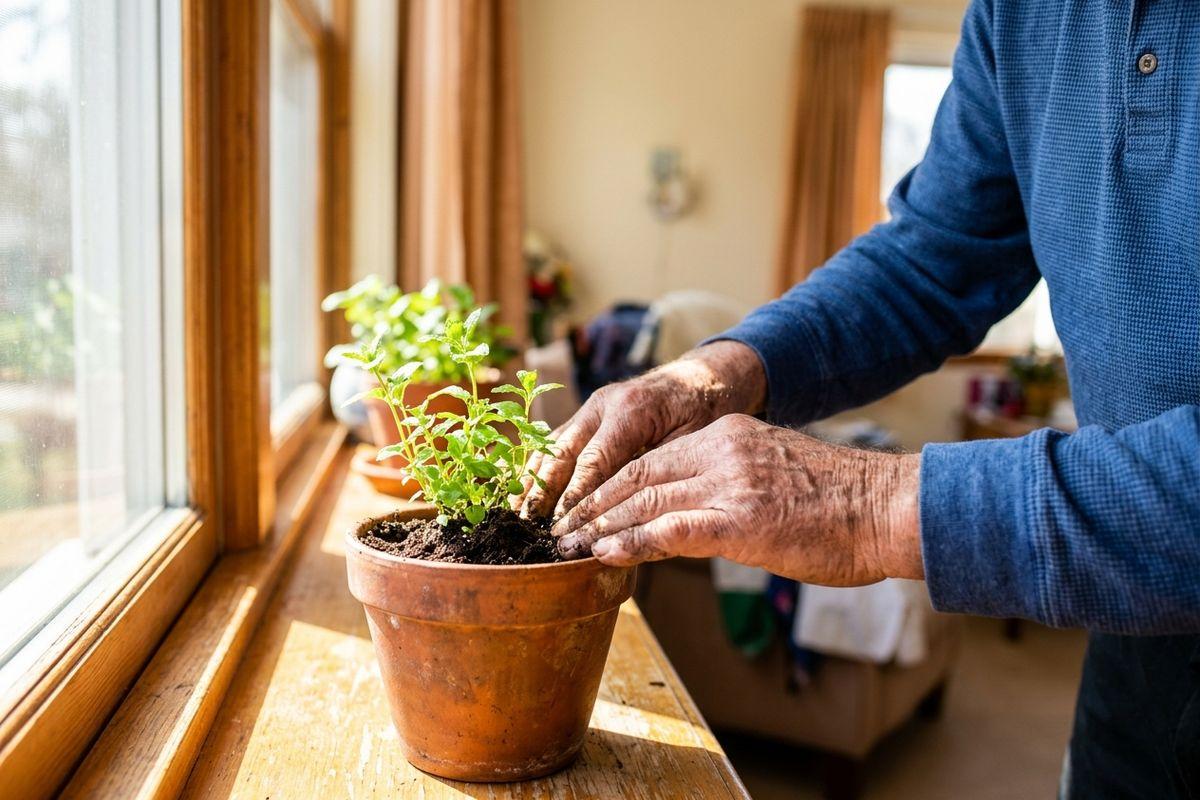
A slow hand massage with scented lotion can turn a tense moment into a peaceful one. Gardening offers another gentle option, whether that’s pressing potting soil into a pot, watering a windowsill herb, or brushing the leaves of a tomato plant.
Smell
The kitchen holds some of the strongest memories. Baking cookies, snipping herbs from a garden pot, diffusers with familiar scents, or arranging fresh flowers can fill a room with smells that feel like home.
Taste
Simple cooking together works beautifully. Stirring batter, tasting a slice of ripe peach in late summer, or sipping a warm herbal tea gives your loved one something to enjoy right now. Familiar family dishes help bring that same comfort to the table.
Tips to Make Sensory Time Work Well
Timing shapes everything. Pick the hours when your loved one feels most alert, which is often mid-morning or right after a snack. A short 15 minutes at the right moment beats an hour at the wrong one.
Let personal history lead the way. A lifelong gardener may light up over seed packets, while a retired music teacher may prefer the piano bench. Focus on enjoyment rather than a finished product, because a half-planted pot or a lopsided cookie is a success.
Things to Keep in Mind
- Skip corrections and let the moment unfold at its own pace
- Set up in a quiet, clutter-free space with good lighting
- Keep supplies simple and within easy reach for your loved one
- Adjust activities as abilities and preferences shift over time
If you’d like more ideas for gentle conversation during these moments, these tips for talking with someone with dementia pair naturally with sensory time.
How Memory Care Communities Help Bring the Senses to Life
In a memory care community, sensory moments aren’t saved for special occasions. Daily activity programs are built around what each resident personally enjoys, from morning music sessions to afternoon gardening in raised beds.
Group cooking, art projects, and one-on-one visits all find their place in the schedule. Caregivers pay attention to the small signals, noticing which song brings a smile and which texture soothes a restless afternoon. That attention shapes the days that follow.
Take the Next Step with All American Assisted Living at Coram
Start small this week with one familiar activity, such as listening to a favorite album or enjoying a bowl of fresh strawberries. Try engaging different senses to find what resonates most with your loved one.
When you’re ready to explore more support, All American Assisted Living at Coram offers assisted living, memory care, and respite care built around each person’s needs.
Reach out to schedule a tour and see the daily programming for yourself. Our team would love to meet your family and show you what life here can look like.