
Key Takeaways
- Memory loss can affect conversations, routines, and familiar tasks in everyday life
- Calm, patient communication can make a meaningful difference for your loved one
- Small changes at home can improve comfort and safety
- Caregivers need support, too, so don’t overlook your own well-being
- Memory care, respite care, and assisted living can provide more support when the time comes
How to Help a Loved One Through Memory Loss
Watching someone you love navigate memory loss can feel overwhelming. You might notice them struggling to recall a conversation you had yesterday, losing track of familiar routines, or getting frustrated with tasks that once felt second nature. It’s a lot to take in for both of you.
All American Assisted Living at Coram understands how much this moment matters, and so does the guidance ahead.
The good news is that there are real, practical ways to support your loved one through this journey while also taking care of yourself along the way. From small adjustments at home to knowing when extra support might help, you have more options than you may realize.
Simple Ways to Communicate with More Ease
Tips That Help Conversations Flow
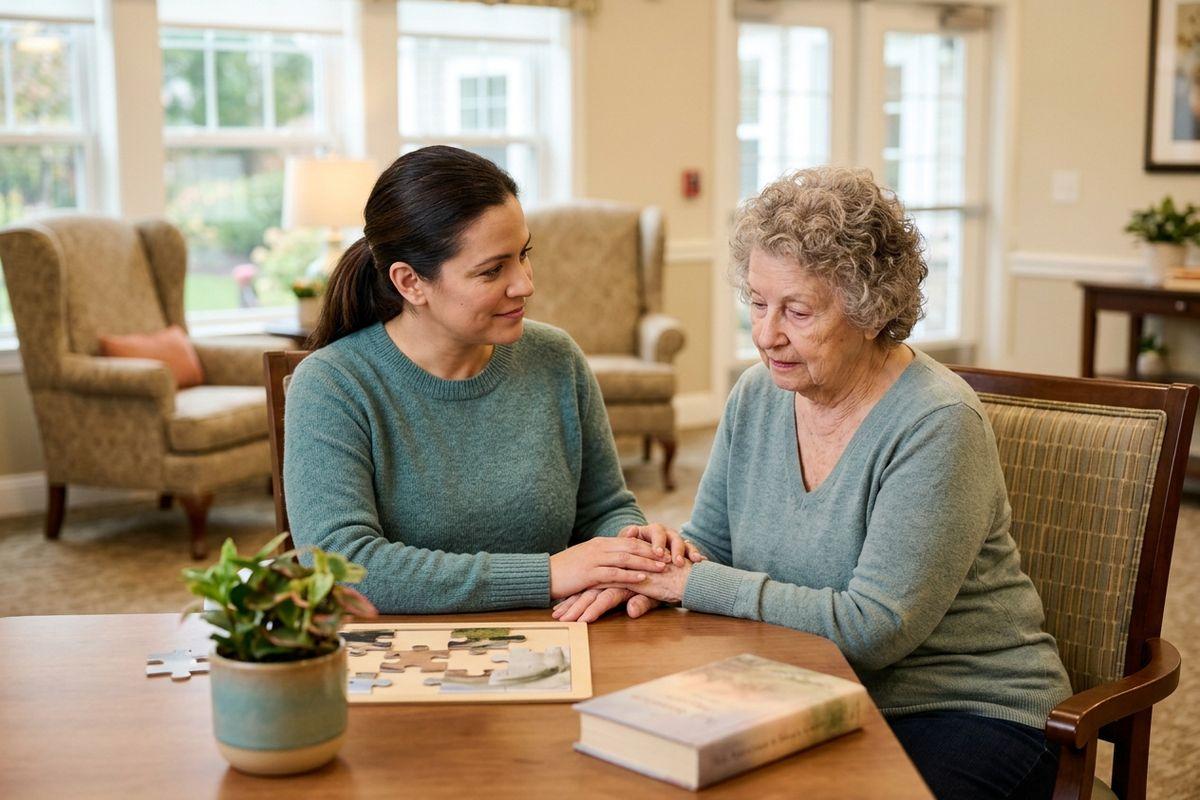
Communication can shift when memory loss is in the picture, but it doesn’t have to feel like a barrier. Try using short, calm sentences and speaking in a gentle tone to help your loved one follow along without feeling rushed or overwhelmed.
Make eye contact and give your loved one extra time to respond. A pause in conversation isn’t something to fill right away. Sometimes, all it takes is a little patience for the right words to come.
Focus on how your loved one feels rather than on the details they may have forgotten. Acknowledging emotions, like saying “That sounds frustrating” or “I’m glad we’re together,” keeps the connection warm and meaningful.
What to Avoid During Conversations
Avoid asking “Do you remember?” It can put your loved one on the spot and lead to feelings of embarrassment or stress. Instead, gently guide the conversation forward without drawing attention to what’s been forgotten.
Try to skip corrections and avoid arguing over details. If your loved one remembers something differently, it’s often more helpful to go along with the feeling behind the story than to set the record straight. A calm, relaxed tone helps keep conversations comfortable for everyone.
Everyday Support That Makes Home Feel Safe
Helpful Routines and Reminders
Consistency can be a genuine comfort for someone experiencing memory loss. Keeping meals, activities, and bedtime at the same time each day gives your loved one something familiar to hold onto. Predictable rhythms can reduce confusion and help the day feel more manageable.
Simple tools like wall calendars, sticky notes, and clearly labeled items can also go a long way. Place reminders somewhere visible, like near the kitchen or bathroom door, so your loved one can easily reference them throughout the day.
When a task feels too big, try breaking it into smaller steps. Instead of saying “get ready for dinner,” walk through each step one at a time. A simplified approach can keep your loved one engaged and feeling capable.
A Safer, More Comfortable Home Environment
A few thoughtful changes around the home can make a noticeable difference. Remove loose rugs or clutter that could cause a trip, and improve lighting in hallways and stairways. Brighter spaces feel safer and easier to move through.
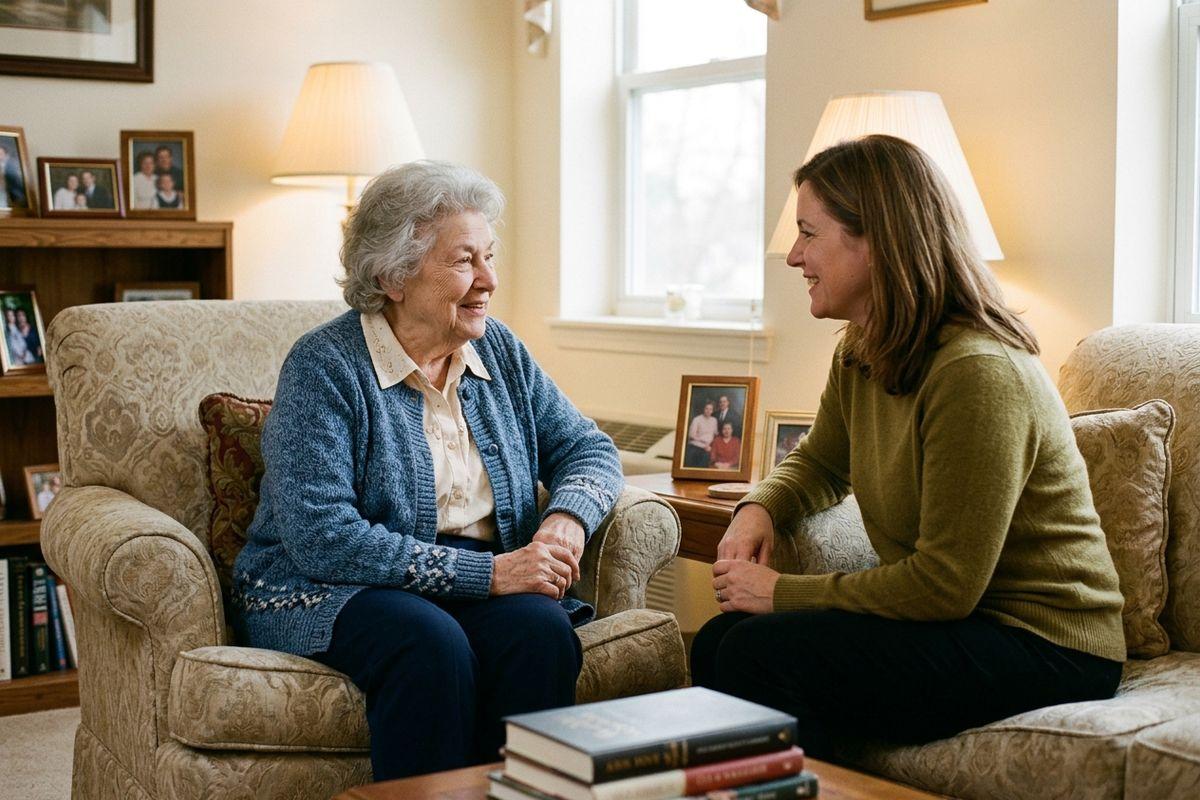
Keep familiar photos and cherished objects visible throughout the home. These personal touches can spark warm recollections and bring a sense of calm. You might also add simple signs on doors, like “bathroom” or “bedroom,” to help your loved one navigate more easily.
Taking Care of Yourself as a Caregiver
Caring for someone with memory loss is a big responsibility, and it’s okay to admit that some days are harder than others.
Reaching out to other family members to share caregiving duties can take some of the weight off your shoulders. You don’t have to do this alone. Learning to recognize the signs of caregiver stress early can make it easier to ask for help before burnout sets in.
Taking short breaks each day, even just 20 minutes to step outside or enjoy a quiet cup of coffee, can help you recharge.
Connecting with a caregiver support group is another option worth exploring. Hearing from others who truly understand what you’re going through can be both comforting and encouraging.
When Extra Support Becomes the Right Next Step
Memory Care and Senior Living Options
There may come a point when your loved one needs more support than you can provide at home, and that’s a completely understandable place to reach.
Memory care communities can offer personalized, around-the-clock support in a warm and structured environment designed for people experiencing memory loss.
Respite care provides short-term relief for caregivers who need a chance to rest while knowing their loved one is in compassionate hands.
What to Look for in a Senior Living Community
When exploring senior living options, look for compassionate staff who take the time to genuinely get to know each resident. Engaging in daily activities and spending time in comfortable, homelike spaces can make a real difference in how settled and happy your loved one feels.
Reviewing guidance on choosing the right memory care community can help you feel more prepared for that search.
Assisted living communities that balance support and independence can benefit many older adults. The right community feels less like a transition and more like a fresh, fulfilling chapter.
Find the Right Support at All American Assisted Living at Coram
All American Assisted Living at Coram puts caring for your loved one at the heart of everything we do. From memory care to assisted living and respite care, our team is here to support your family with warmth, compassion, and personalized attention every step of the way.
You deserve to feel that your loved one is in a place where they truly belong. Reach out today to schedule a tour and see firsthand what life at All American Assisted Living at Coram can look like for your family.